About
Breanna Lameman
A fifth-generational Diné farmer rooted in Shiprock, Diné Bikéyah
Clan Introduction
Yá’át’ééh shik’éí dóó shidine’é.
Shí éí Breanna Lameman yinishyé.
Táchii’nii Nishłį́.
Nidáá Diné Bashishchiin.
Bit’ahnii dashicheii.
Tódích’íí’nii dashinalí.
Ákót’éego diné asdzáán nishłí.
Tsé Bit’ a’í déé’ naashá.
Greetings; hello; my family; my relatives; my friends.
My name is Breanna Lameman
I am of the Red Running into Water Clan, my mother’s clan.
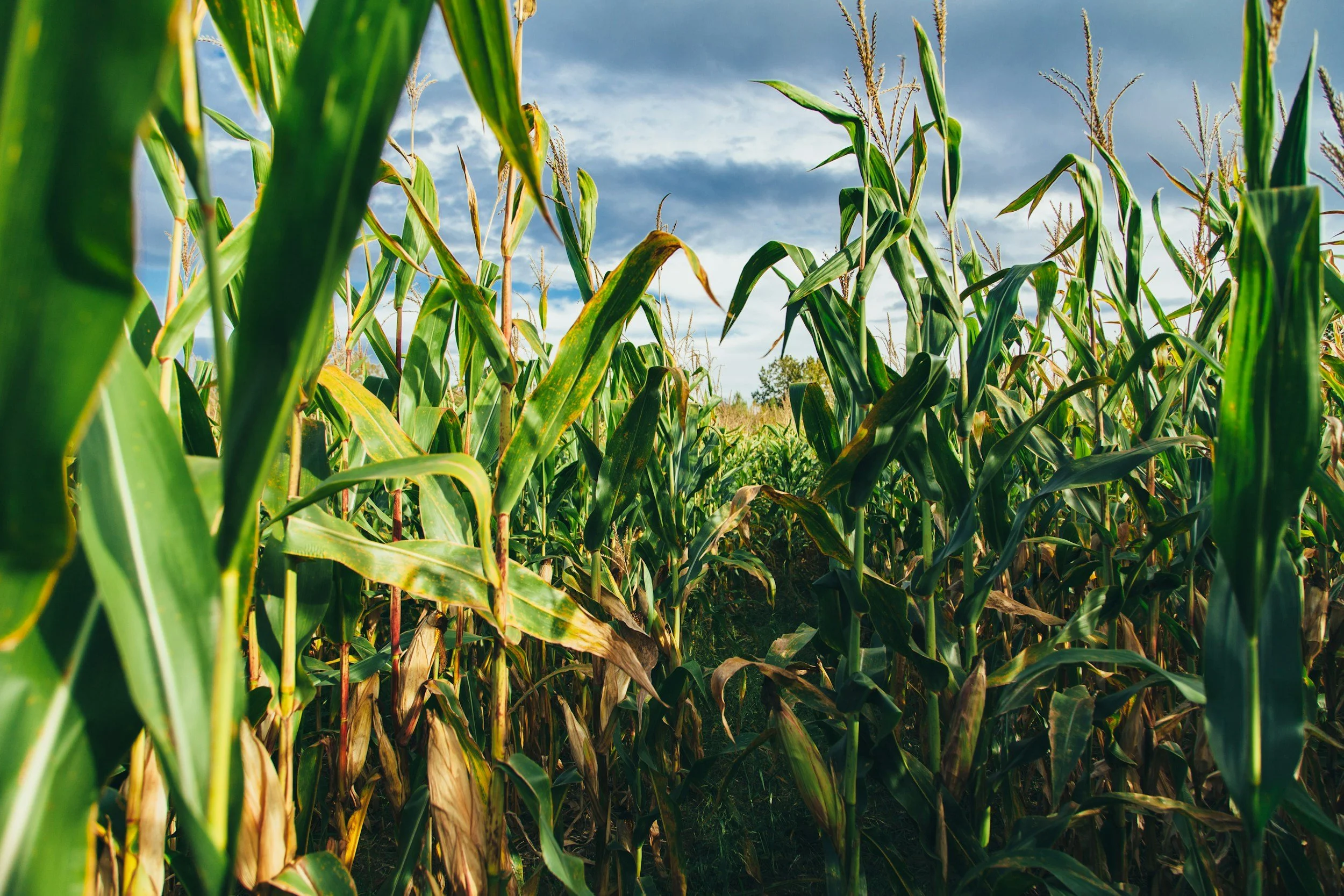
I am born for the Corn People Clan, my father’s clan.
My maternal grandfather is Within his/her Cover Clan.
My paternal grandfather is the Bitter Water Clan.
This is how I introduce myself as a Diné women.
I am from Shiprock, New Mexico.
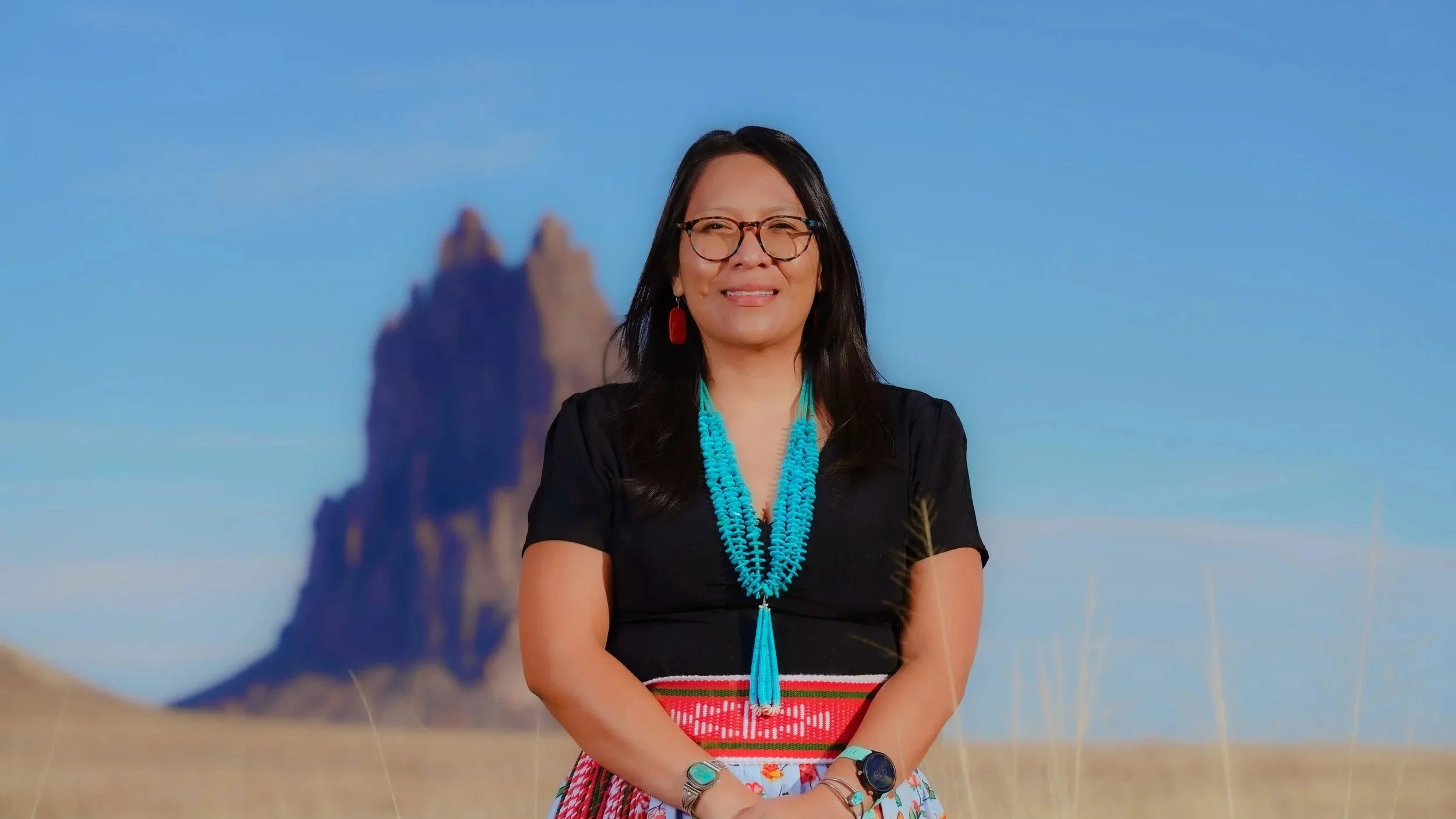
As a fifth-generational Diné farmer rooted in Shiprock, Diné Bikéyah, my ancestors have resided and planted here since our creation. I was raised in Shiprock by my grandmother and mother. They have passed down these teachings of growing our traditional foods, foraging food while having respect and reverence for land, water, air, fire, and all living beings and deities. My life has evolved around the land, water, and growing food.
My heart work has been tending, listening, and being in relation with the land, the plants, and the water. Through these relationships, I have come to understand that our homelands are threatened by extraction, exploitation, and contamination. Being active with the landscape and tending to the plants, has guided me towards advancing our food systems and protecting the knowledge that sustains them.
My current focus and heart work are in Indigenous food sovereignty, health, and data sovereignty and governance. I am committed to community-led research that uplifts Indigenous knowledge and food systems. My aim is to advance health and wellbeing through culturally grounded, collaborative approaches. I am deeply dedicated to building ethical, reciprocal research relationships with Indigenous communities.
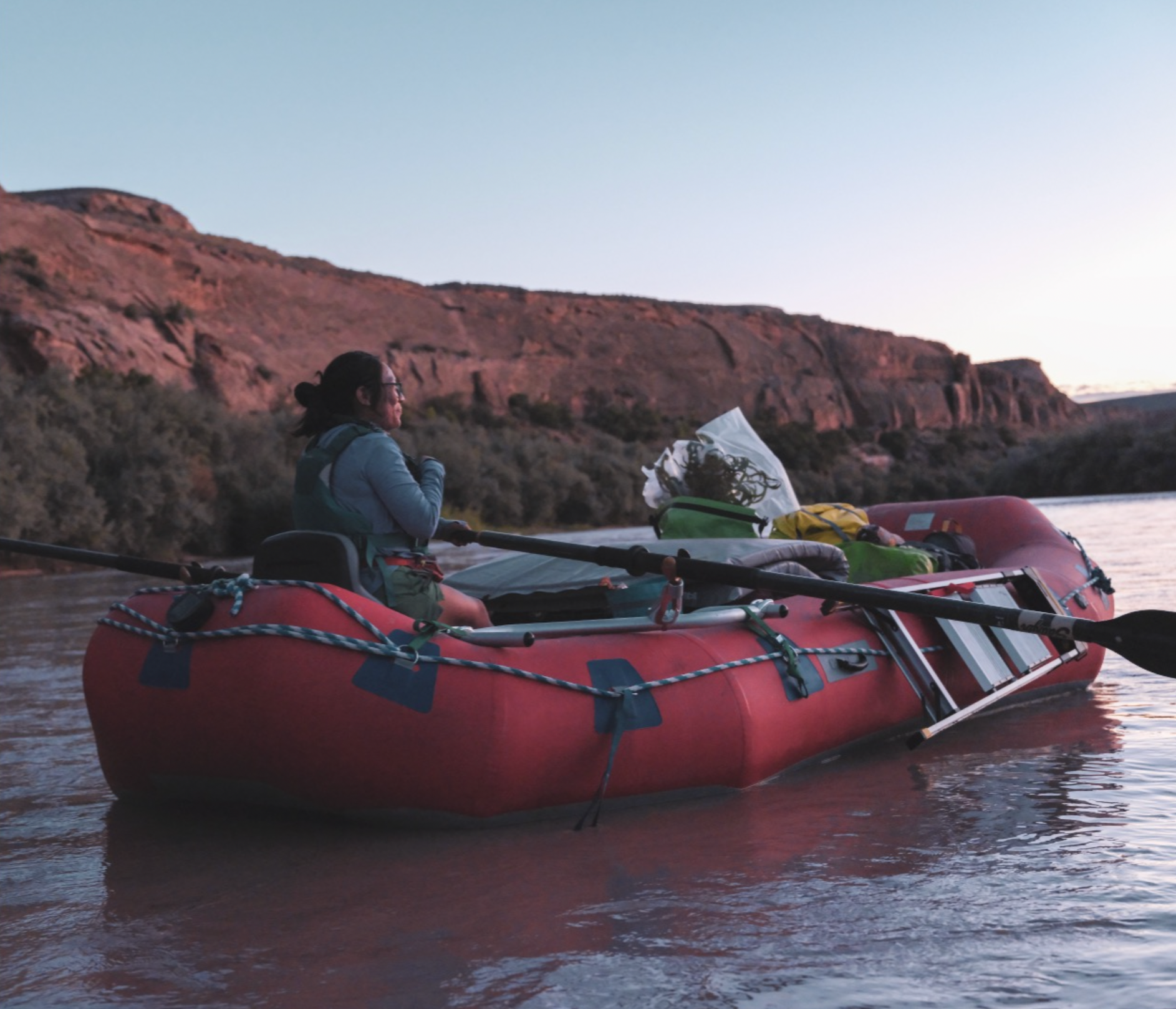
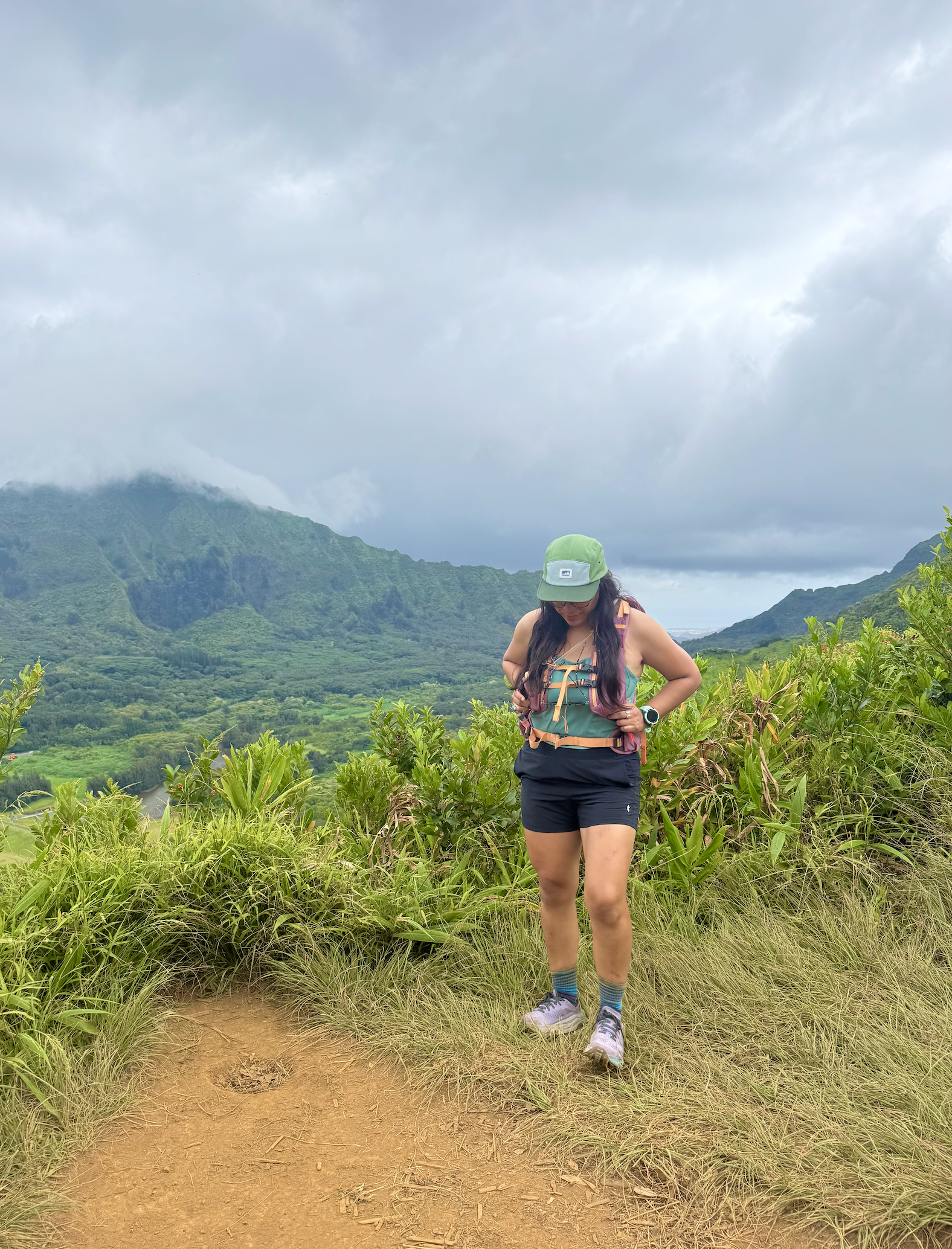
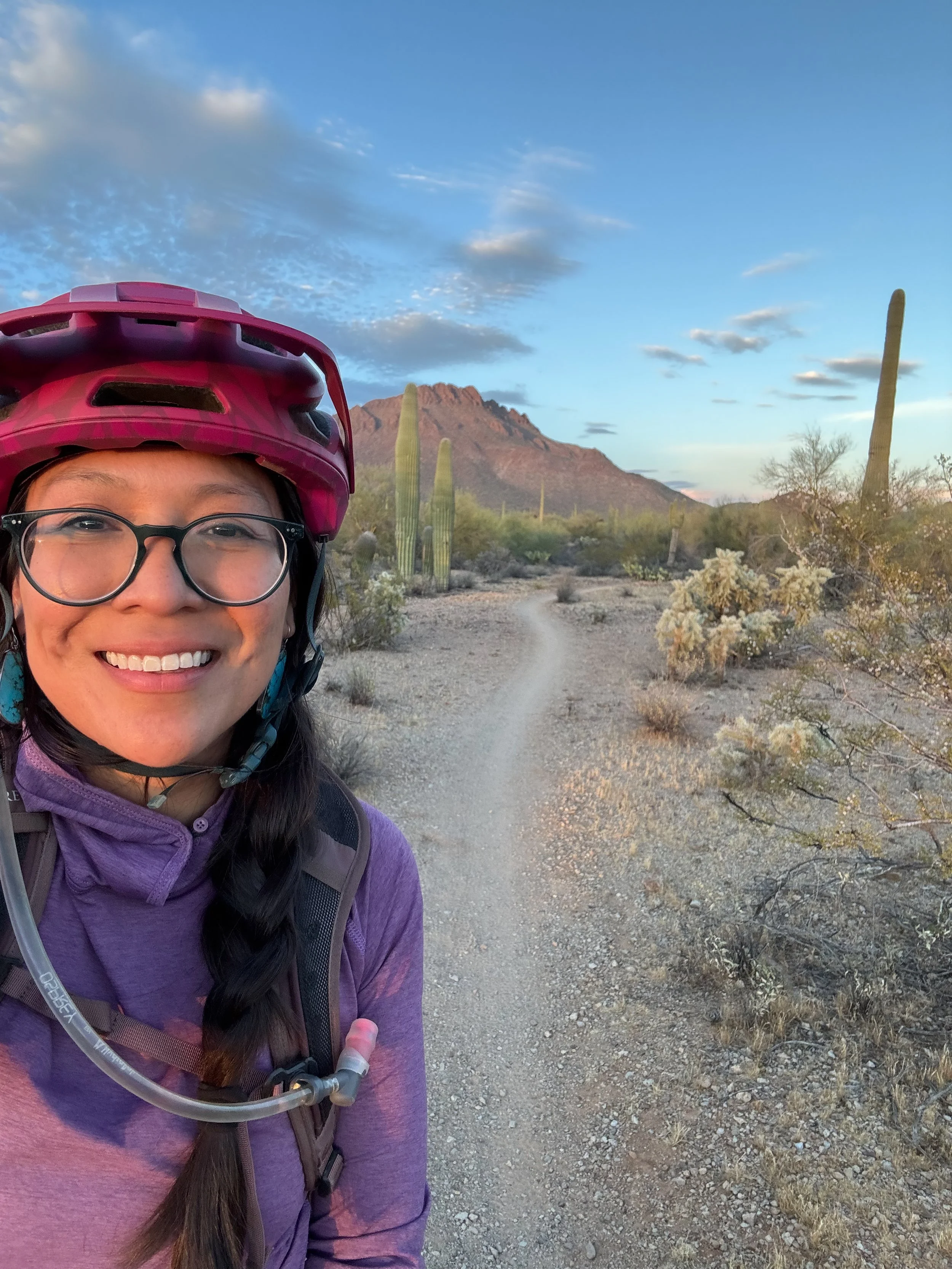
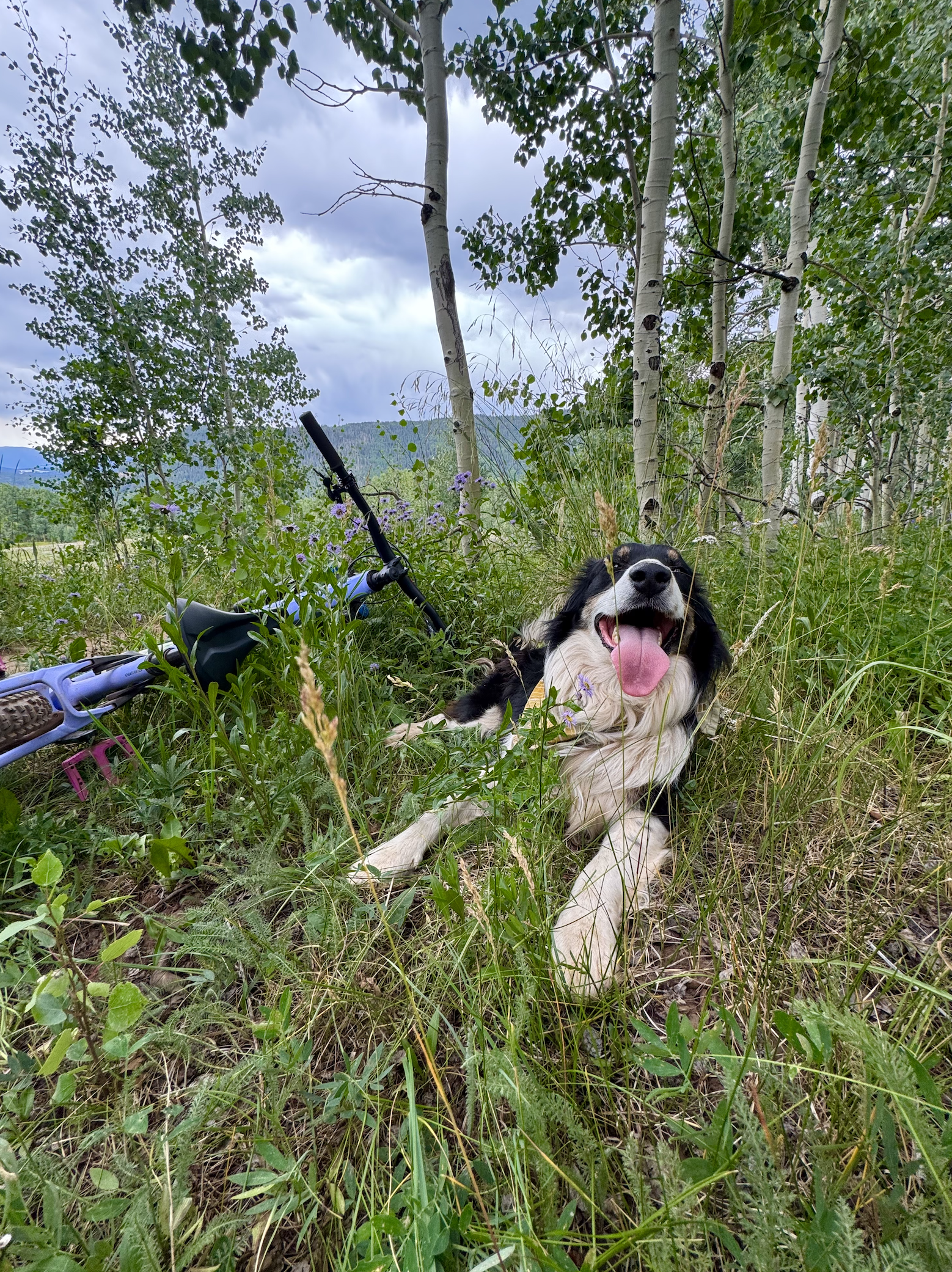
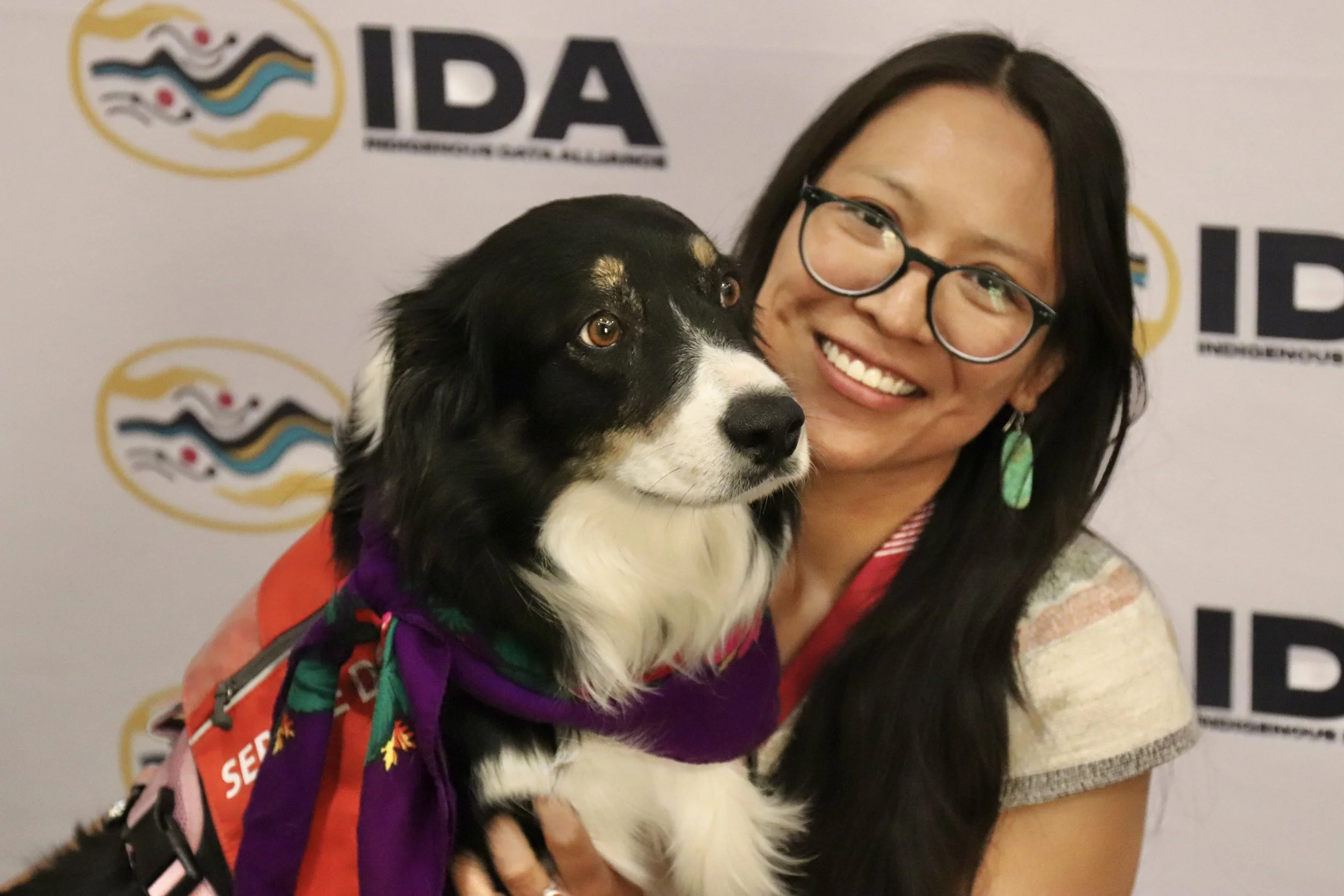
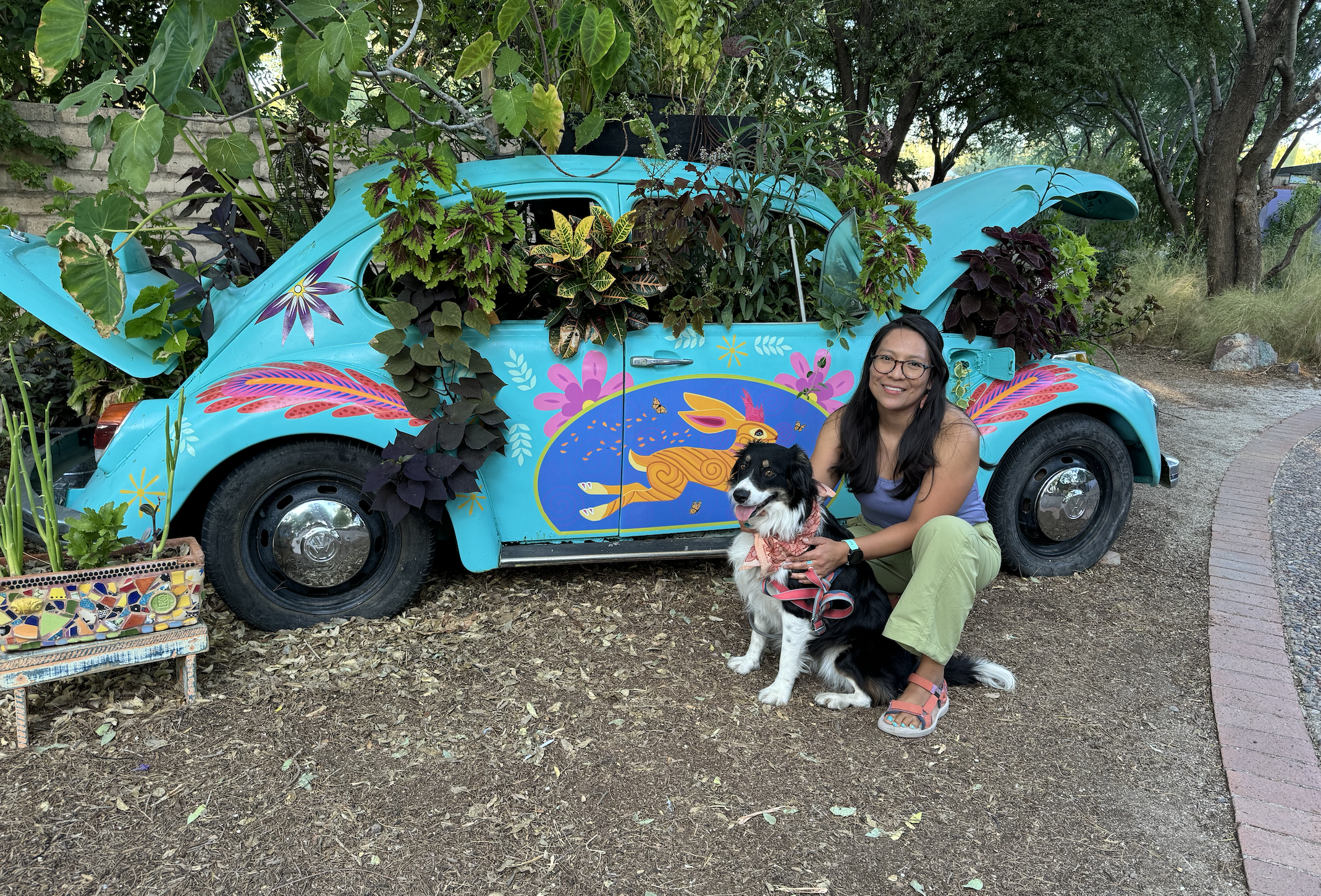
Outside of my academic work, I stay closely connected to the land through farming, mountain biking, hiking, and river rafting, often accompanied by my rez pup, Roo. These practices deepen my relationship with place and continually inform my commitment to Indigenous approaches to land, food, and community well‑being.